


class PulindGadhia:
    role        = "CSE (AI & ML) Student · Marwadi University"
    location    = "Rajkot, Gujarat, India 🇮🇳"
    goal        = "AI Engineer"

    built = [
        "AI-powered deepfake audio detector  (Python · scikit-learn · librosa)",
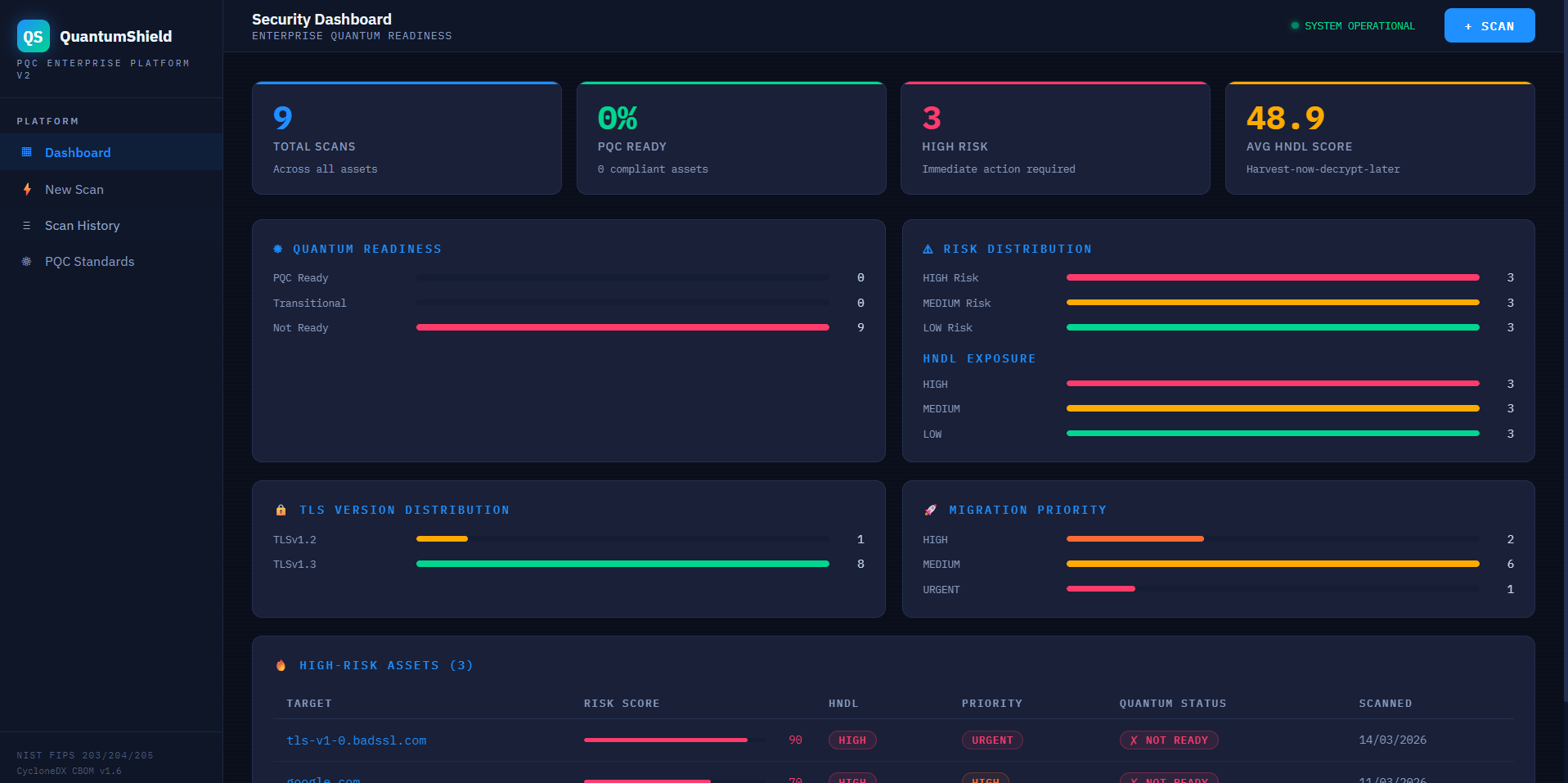
        "Quantum-Ready TLS scanner with risk scoring  (Python · cryptography · PQC)",
    ]

    exploring   = ["Deep Learning (actively exploring)", "Google Cloud", "AI Security"]
    languages   = ["Python", "C++", "Java", "C", "SQL"]

philosophy = "Build first. Understand deeply. Ship when it matters."|
Binary audio classifier that distinguishes real human speech from AI-generated voices — built to address the growing threat of voice deepfakes.
🔗 GitHub: PulindGadhia/Ai_Voice_Detector | 🎥 Demo: Coming Soon |
Audits TLS endpoints for post-quantum cryptography readiness and generates AI-computed risk scores to surface cryptographic vulnerabilities.
🔗 GitHub: PulindGadhia/quantumshield-pqc-scanner | 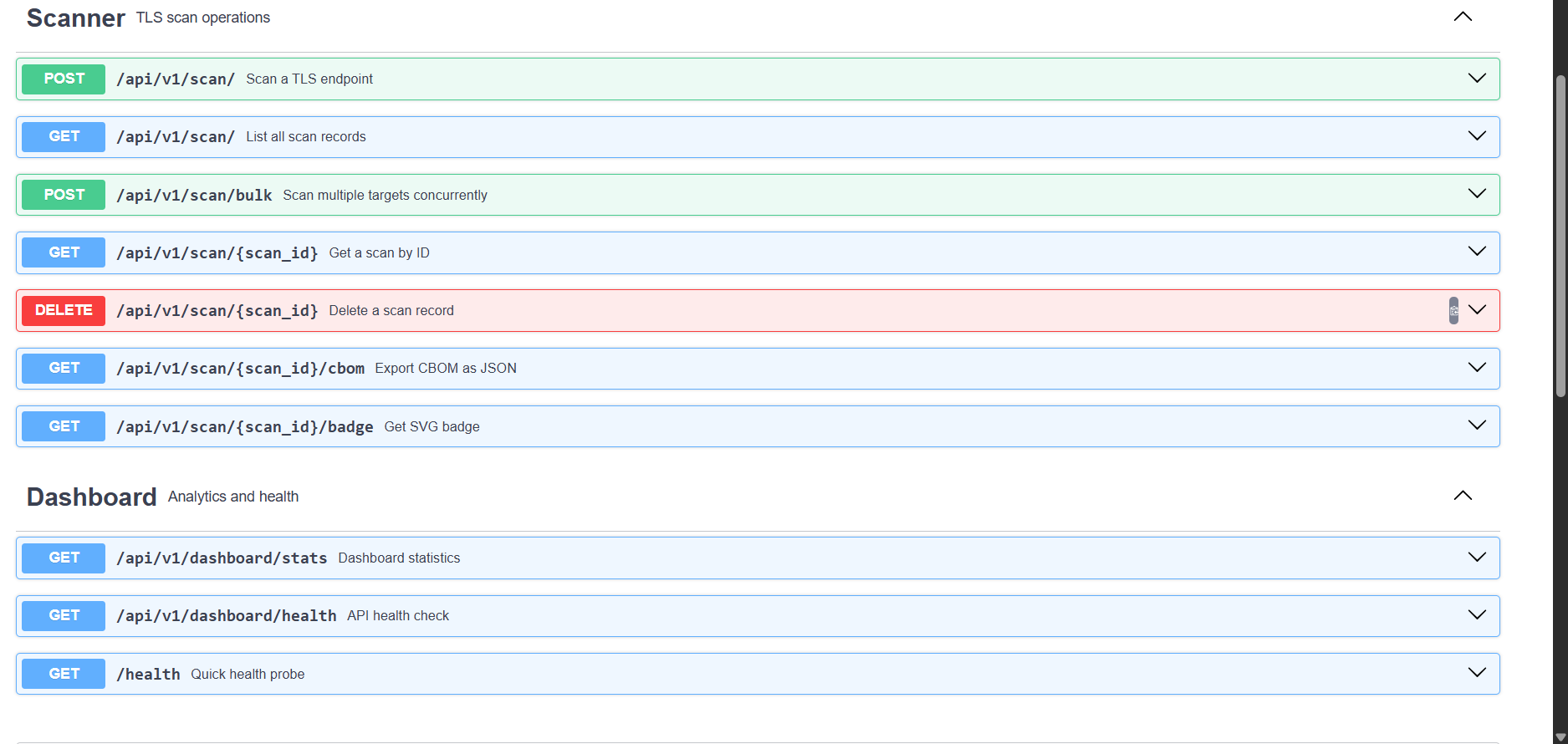
|


  Domain               │  Project                      │  Problem Solved
  ─────────────────────┼───────────────────────────────┼──────────────────────────────────
  🎙️ Audio AI          │  AI Voice Detector             │  Classify real vs synthetic speech
  🔐 Quantum Security  │  QuantumShield PQC Scanner     │  Audit TLS for post-quantum readiness
  ☁️ Cloud             │  GCP Arcade Facilitator 2025   │  Champion Tier · Cohort 2
|
Languages
|
AI · ML · Audio
|
Security · Cloud
|
Tools · Workflow
|


| Priority | Area | Direction |
|---|---|---|
| 01 | ML Fundamentals | Learning how to build models from scratch like regression, trees, SVMs, and ensembles |
| 02 | Deep Learning | Learning neural networks, CNNs, and sequence models by practicing |
| 03 | Google Cloud | Preparing for the Associate Cloud Engineer exam |
| 04 | AI Security | Working on deepfake detection and basic quantum-safe ideas |
Do not start coding immediately.
First, understand the problem clearly. Then break it into smaller parts and build a simple working version. After that, improve it step by step.
Focus on depth over breadth. Understanding one concept well is more valuable than knowing many without clarity.
Learning happens through building projects, reading documentation, and improving based on mistakes.
- Write simple and clear code
- Focus on understanding concepts, not just using tools
- Build real projects, not just small demos
- Improve step by step
- Work on problems that are useful
"Understanding a problem deeply is more valuable than solving it quickly."



💬 Open to collaborations, mentorship, hackathons, and meaningful conversations